Non-binary stars are advised by BAFTA to take a stance since they will not be adding progressive gender-neutral categories
After considering the difficult issue of “gendered” acting categories for two years, BAFTA has handed a blow to nonbinary performers by announcing that nominees for awards will have to declare whether they wish to participate as “actors” or “actresses.”
Non-binary performers including Bella Ramsey, Emma D’Arcy, and Emma Corrin are put in a difficult situation by the revelation.
Film producers are required to ‘confirm the gender/gender identity of each contender for nomination,’ according to revised standards that were made public last week.
“It is up to the entrant which category they enter into,” a source continues.

After their music-related counterparts, the Brit Awards, decided to become gender neutral in 2022, BAFTA disclosed that they were conversing with’sector peers, industry stakeholders and experts’ and conducting ‘proactive and careful engagement’ over gendered acting categories.
But in the end, they decided against changing anything, so excluding the expanding group of non-binary artists.
A representative for BAFTA stated that although the actor and actress categories persisted, the winner’s choice may be indicated on the certificate and mask by using the phrase “performer.”
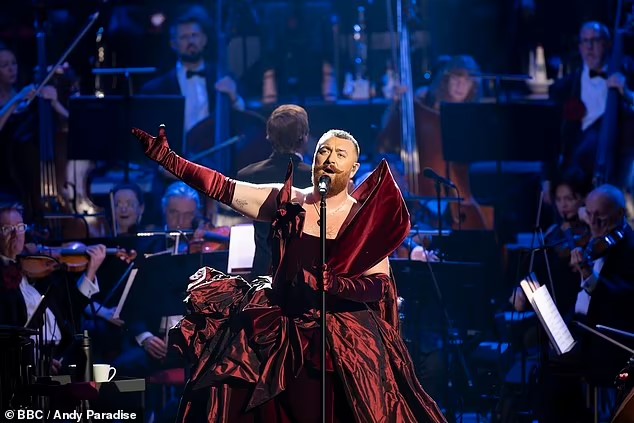
The British, on the other hand, have done away with gendered categories altogether, including Best Male Solo Artist (a decision that is largely attributed to non-binary singer Sam Smith).
Adele, the 2022 Best British musician winner, expressed her admiration for being a woman and a female musician on stage, stating, “I understand why the name of this award has changed.”
The all-male Best British Artist shortlist from the previous year incited uproar.\The Tony Awards and the Oscars began discussions on potential gender-neutral categories in 2022, although they both still have “Best Actress” and “Best Actor” categories.
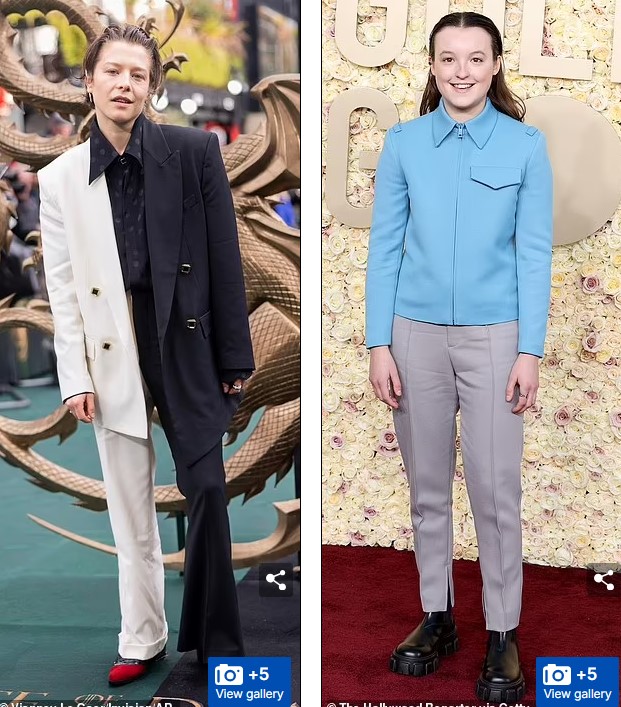
In recent years, the argument over gender-neutral categories has shown to be contentious.Emma, the Crown star, has stated in the past that awards shows aren’t “inclusive enough” and that adjustments would help everyone feel “acknowledged and represented.” Emma uses the pronouns they/them.
Emma expressed her desire for a future where gender-neutral categories at major award events materialize in an interview with the BBC’s Today Programme. “I don’t think the categories currently accommodate enough people.” It all comes down to giving everyone a sense of recognition and representation.
In order to promote “more of an urgency” surrounding tackling the issue, Emma continued, there has to be greater representation in roles within the entertainment business.
They enquired, “Do we need to specify whether you’re being nominated for a male or female role when it comes to categories?”
You can talk about awards and the representation there, but the real discussion should center on increasing the representation of non-binary, queer, and trans individuals in the material itself and the content that we see, as I believe it will make a big difference.
“I believe there will be a greater urgency to address these questions when those parts become available, which means more people and actors will be playing those roles.”
Since 2021, Emma has openly identified as non-binary and openly discussed their gender identity journey on social media.
“Your gender identity is so much to do with how you feel and how you want to be seen or are seen by people,” the actress said on The Today Programme. “If you don’t feel like you are being seen honestly or correctly, that can be very triggering or can make you uncomfortable.”
“I believe that in order to avoid feeling as though I was being viewed incorrectly, it was imperative that I be upfront and honest about it.” The movie actor went on to say that they didn’t think that coming out as gay would restrict the kinds of jobs that they may potentially get.
‘I would never forsake integrity or honesty because of job that I may or may not get,’ Emma clarified.”In no way does being non-binary mean that I reject femininity or my own femininity.” It’s almost like an acceptance of that.
“I still want to play women because I’ve had a female experience here on Earth, even though it’s kind of a fluid one right now.”
Shaznay Lewis, star of All Saints, on the other hand, cautioned that gender-neutral categories could cause women to be “disregarded and excluded.”
When the 48-year-old singer remarked that eliminating the male and female categories would prevent a generation of females from experiencing the thrill of winning, she was alluding to the gender-neutral Brit Awards.
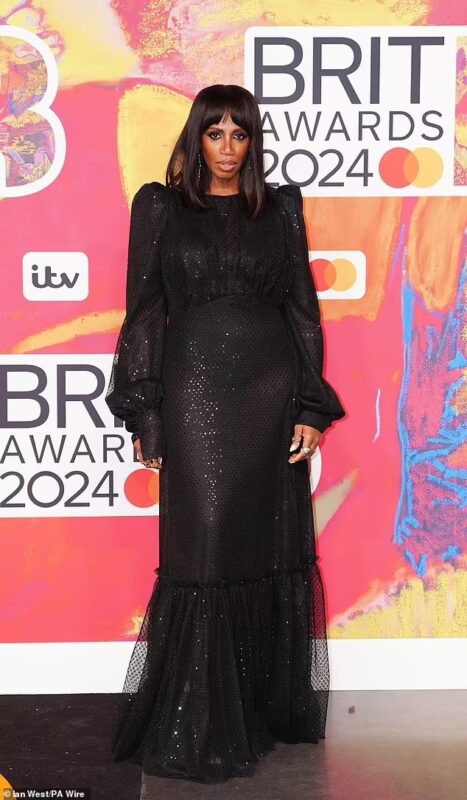
She stated to Radio Times: “It is impossible for progressive ideas to benefit everyone if we ignore female artists, who serve as role models for millions of young, aspirational women.”
The best male and best female categories were eliminated with the introduction of the new award, which has naturally hurt women.
“It doesn’t feel right, and I have to wonder why women are still ignored and excluded in society today.” Is it because the industry does not view us as equally bankable?